
Have you ever worn an outfit and suddenly felt more confident, energetic, or prepared for the day?
It may have been your favourite dress, a perfectly fitted pair of jeans, or a simple top that made you feel comfortable and attractive. Although we often think of clothing as something we wear only to look presentable, our outfits can also influence our emotions, confidence, and behaviour.
This relationship between clothing and emotions is known as the psychology of fashion. It explores how colours, fabrics, fits, and personal style can affect the way we feel about ourselves.
Fashion is not only about following the latest trends. It is also a form of self-expression that can help us communicate our personality without saying a word. At LuvLady, we believe that the right outfit should not make you feel like someone else. It should help you feel like the most confident version of yourself.
What Is the Psychology of Fashion?
The psychology of fashion explores how clothing choices can influence our thoughts, emotions, confidence, and behaviour.
Think about how differently you feel when wearing comfortable clothes at home compared to getting ready for an important meeting or celebration. Your personality has not changed, but your outfit may help you enter a different mindset.
A structured blazer can make you feel prepared and professional. A colourful dress may make you feel cheerful, while a soft and relaxed outfit can help you feel calm.
Clothing cannot magically change your personality. However, it can influence how you see yourself. Psychologists often describe this influence as enclothed cognition, a concept that explains how the symbolic meaning and physical experience of wearing clothes may influence our thoughts, feelings, and behaviour.
When you believe that you look polished and comfortable, you may stand taller, communicate more confidently, and feel more positive throughout the day.
1. Colours Can Influence Your Mood
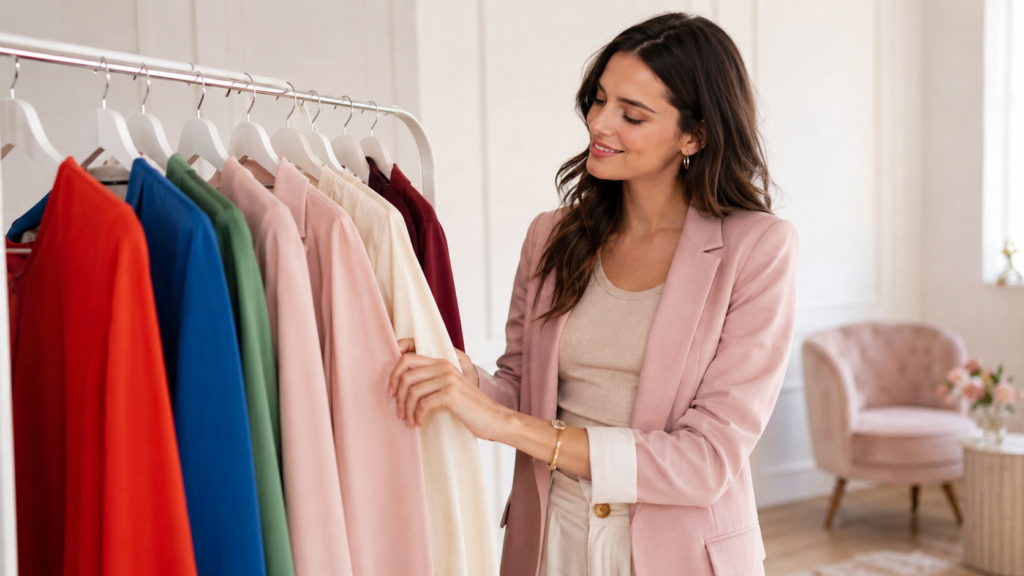
Colour is one of the most powerful elements of fashion. Different colours can create different emotional impressions and influence the overall energy of an outfit.
Red is commonly associated with energy, confidence, and boldness. Blue can create a sense of calmness and stability, while green is often connected with freshness, balance, and nature.
Soft shades such as blush pink, cream, beige, and pastel colours can make an outfit look elegant and peaceful. Dark shades such as black, burgundy, navy, and deep green can create a sophisticated and powerful appearance.
However, colour psychology is not the same for everyone. Personal memories, culture, and individual preferences can affect how a colour makes you feel.
Pay attention to the shades that make you feel happy and confident. Once you identify them, create a personal colour palette and combine your favourite shades with versatile neutrals.
2. The Right Fit Can Change How You Feel
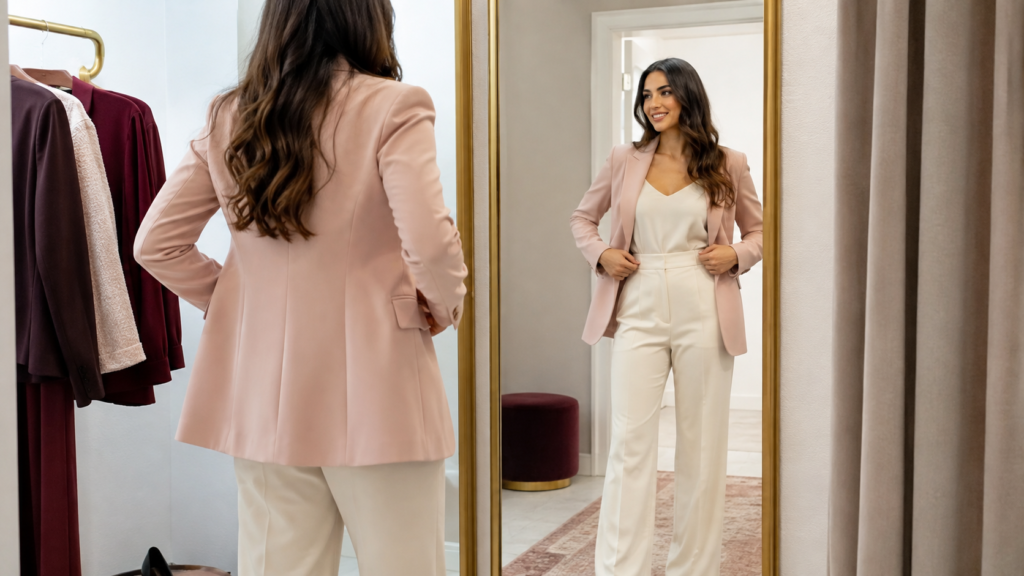
The size written on a clothing label does not determine how stylish or attractive you look. What truly matters is how comfortably and confidently the garment fits your body.
When your clothes fit correctly, you can sit, walk, and move naturally without adjusting your outfit repeatedly. That physical comfort can have a positive effect on your confidence.
A well-fitted blazer can create a polished appearance. High-waisted trousers may help you feel structured and confident, while a relaxed shirt can give you an effortless everyday look.
Instead of buying something only because it is trending, ask yourself:
Does this outfit feel comfortable, suit my lifestyle, and make me feel like myself?
If the answer is yes, it deserves a place in your wardrobe. Choose clothes that work with your body rather than making yourself uncomfortable to fit into a particular trend.
3. Comfort Is a Fashion Statement Too
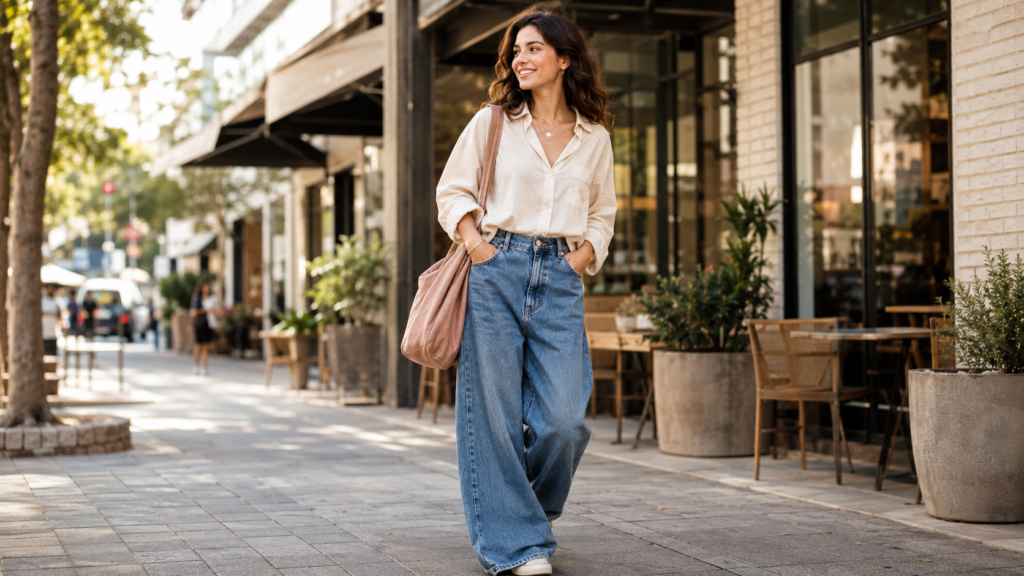
Many people believe that looking stylish requires sacrificing comfort, but modern fashion proves otherwise.
Relaxed denim, oversized shirts, breathable dresses, co-ordinated sets, and easy-to-style trousers can look fashionable without restricting your movement. When you feel physically comfortable, you are less distracted by your clothing and can focus more effectively on your day.
Your wardrobe should also match your lifestyle. If you spend most of your day working, select polished pieces that allow comfortable movement. If you enjoy relaxed weekends, invest in versatile casual basics. For celebrations, keep a few elegant dresses and statement accessories ready.
A single dress can also be styled in different ways depending on the event. If you need inspiration, read our guide on How to Style Women’s Dresses for Different Occasions and discover practical ways to create casual, professional, and party-ready looks.
Your wardrobe should support your lifestyle—not make everyday life more difficult.
4. Dressing for Yourself Builds Confidence
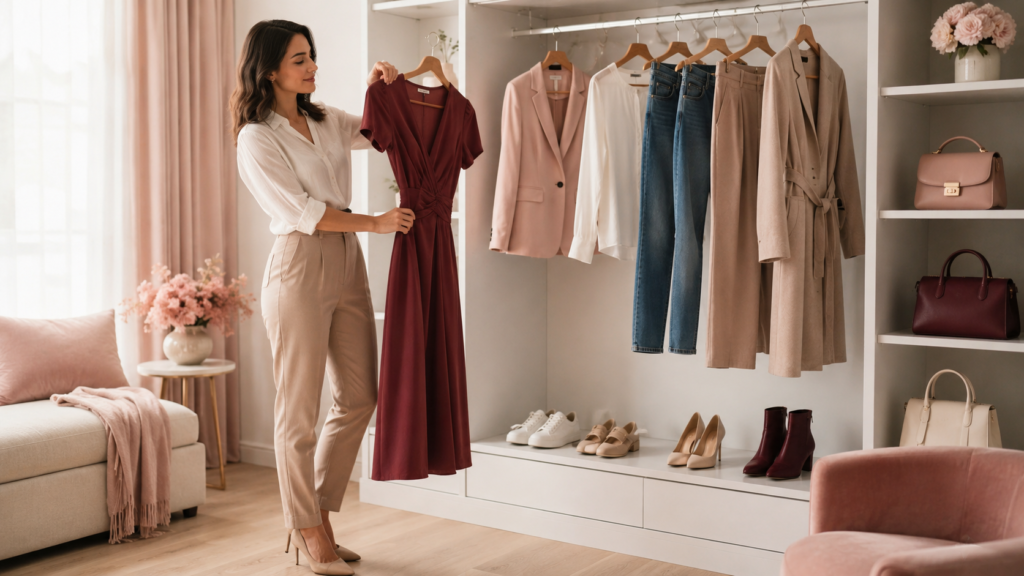
One of the most powerful steps in developing personal style is learning to dress for yourself.
Social media can make us compare our appearance with influencers, celebrities, and other people. Trends also change quickly, making it seem as though we constantly need something new.
However, an outfit that looks beautiful on someone else may not match your personality, body, comfort level, or daily routine.
Personal style allows you to move beyond this pressure. Experiment with different colours, silhouettes, fabrics, and accessories to discover what feels authentic to you.
When your outfit reflects your personality, confidence feels more natural. You no longer have to worry about looking like somebody else because you are expressing your own identity.
5. Your Outfit Can Set the Tone for Your Day
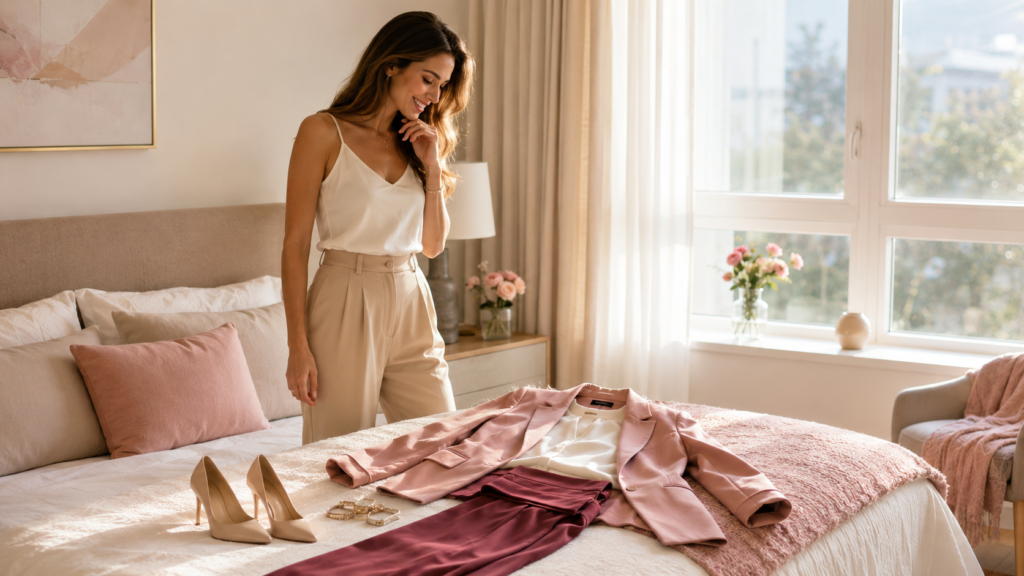
Getting dressed can become a positive morning ritual that prepares you mentally for the day ahead.
A polished outfit before work can help you enter a professional mindset. Wearing an energetic colour may make you feel more awake, while choosing your favourite dress before meeting friends can make the occasion feel special.
This is why many women create a few signature outfits. These are reliable combinations they already know will look good and feel comfortable.
Creating ready-to-wear outfit combinations can also reduce decision fatigue. Instead of spending every morning wondering what to wear, you can choose a trusted outfit and focus on more important parts of your day.
Try taking pictures of your favourite outfit combinations and saving them on your phone. Whenever you feel confused, you can use these pictures as a personal style guide.
6. Fashion Is a Form of Self-Expression
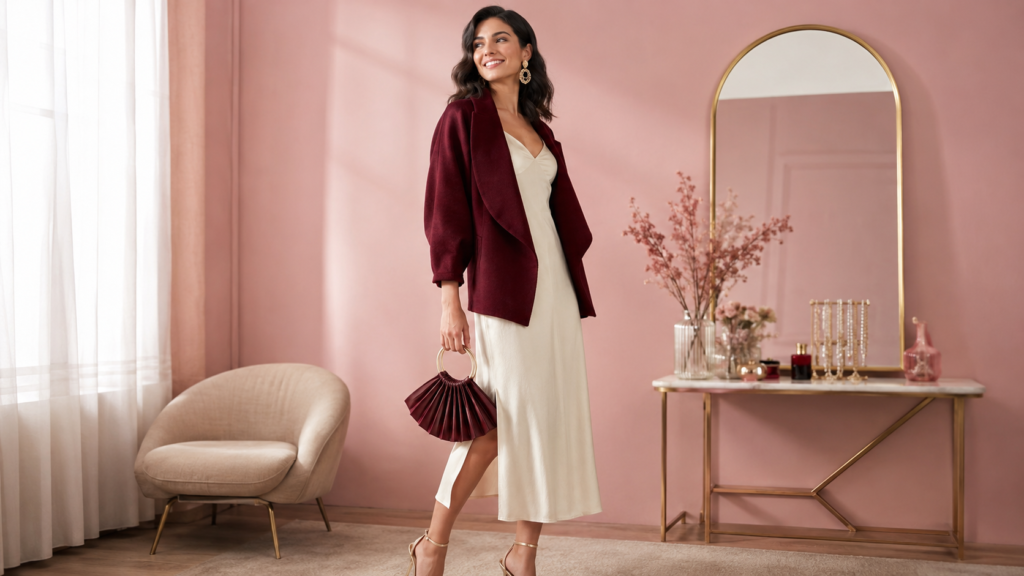
Before you speak, your clothing can communicate something about your personality.
Minimal outfits may show your love for simplicity. Bold accessories can express creativity, while classic silhouettes may communicate timeless elegance. Experimental colour combinations can reflect individuality and confidence.
There is no single definition of good style because personal style is different for every woman.
Your preferences may also change as your lifestyle develops. The clothes you loved a few years ago may no longer represent who you are today—and that is completely normal.
Fashion gives you the freedom to explore different versions of yourself. You can dress elegantly one day, casually the next, and experiment with a bold outfit whenever you feel inspired.
7. Build a Wardrobe That Supports Your Confidence
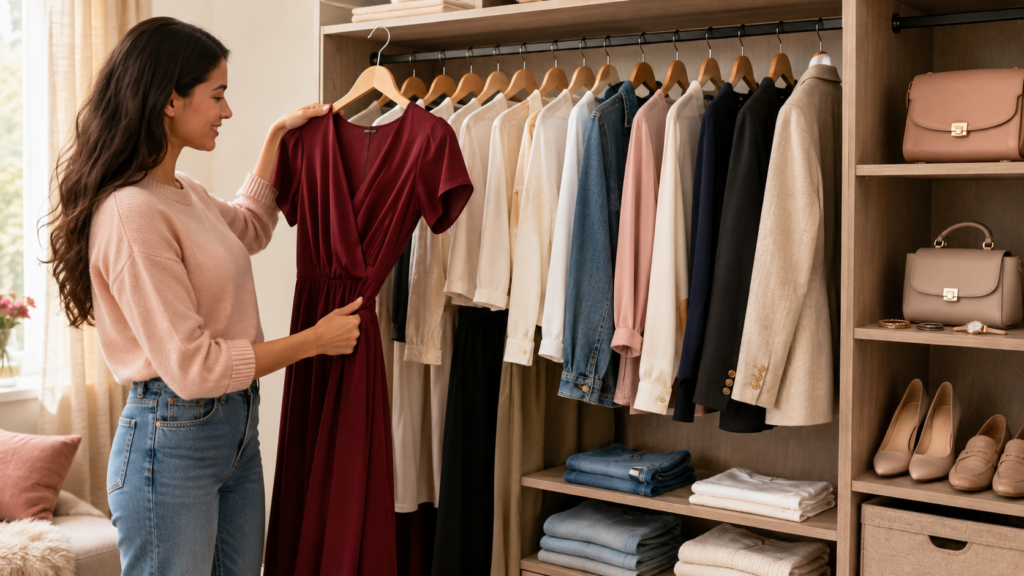
A confidence-boosting wardrobe does not need to contain hundreds of clothes. It needs useful pieces that you enjoy wearing and can style in multiple ways.
Start with versatile essentials such as:
- A comfortable pair of jeans
- A classic white or neutral top
- Well-fitted trousers
- A versatile everyday dress
- A lightweight blazer or layer
- Comfortable footwear
- A few accessories that express your personality
Once you have reliable basics, introduce statement pieces that add colour and individuality to your outfits.
You should also review your wardrobe occasionally. Remove pieces that are damaged, uncomfortable, or no longer suit your lifestyle. If your current wardrobe no longer represents you, explore New Season, New You: How to Refresh Your Wardrobe for simple ideas to update your style without replacing everything you own.
The goal is not to own more clothes. The goal is to own clothes that you genuinely love wearing.
Fashion Should Make You Feel Good
The psychology of fashion reminds us that clothing is about much more than physical appearance.
The right outfit can help you feel relaxed when you need comfort, polished when you need focus, playful when you are celebrating, or confident when you are stepping into a new opportunity.
There are no strict fashion rules that every woman must follow. Wear colours that make you happy, select fabrics that feel comfortable, and choose silhouettes that allow you to move confidently. Try new trends when they excite you and leave them behind when they do not feel authentic.
At LuvLady, we believe every woman deserves fashion that feels as beautiful as it looks. Your clothes should not hide your personality or turn you into somebody else. They should help you express who you already are.
Do not dress only to impress other people. Dress in a way that makes you feel happy and confident when you look in the mirror.
Because the most beautiful thing you can wear is not a passing trend—it is confidence.